
Beyond the Hubs: Why Secondary Trade Routes are the Future of African Commerce
For decades, African air cargo has been a prisoner of the “hub-and-spoke” legacy.
Traditional airlines follow a predictable map: fly into a major international hub, wait for a connecting flight, and hope your cargo eventually reaches its final destination. It is a model designed for passengers, where people are willing to wait in lounges.
Cargo doesn’t like to wait.
At Qambi Aviation, we believe that Africa’s potential isn’t found in waiting—it’s found in movement. That is why our strategy ignores the traditional “prestige” routes in favor of lanes that make economic sense.
The Problem with the Status Quo
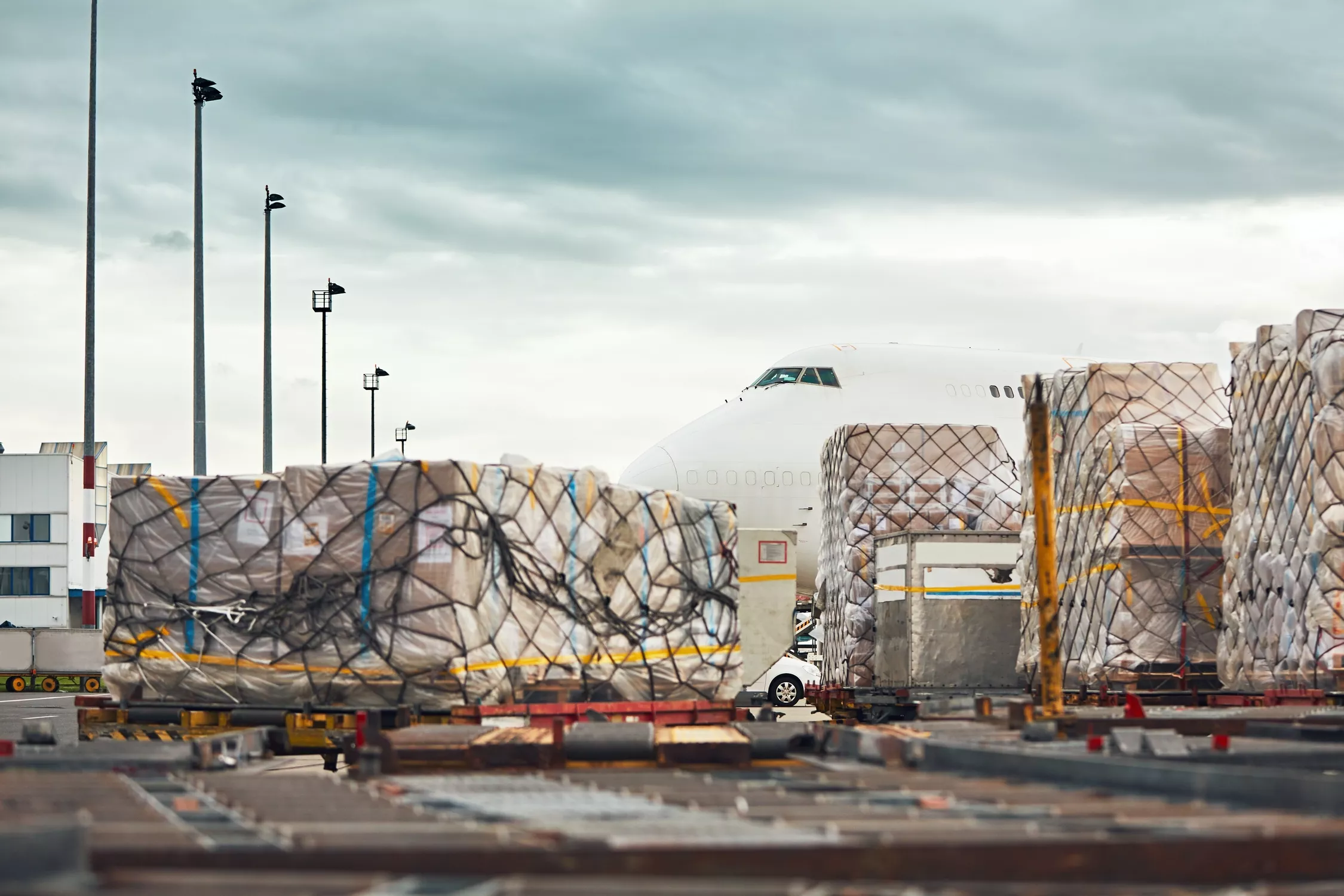
Legacy carriers often treat cargo as an afterthought—the “leftover space” in the belly of a passenger jet. This creates two major bottlenecks for African exporters:
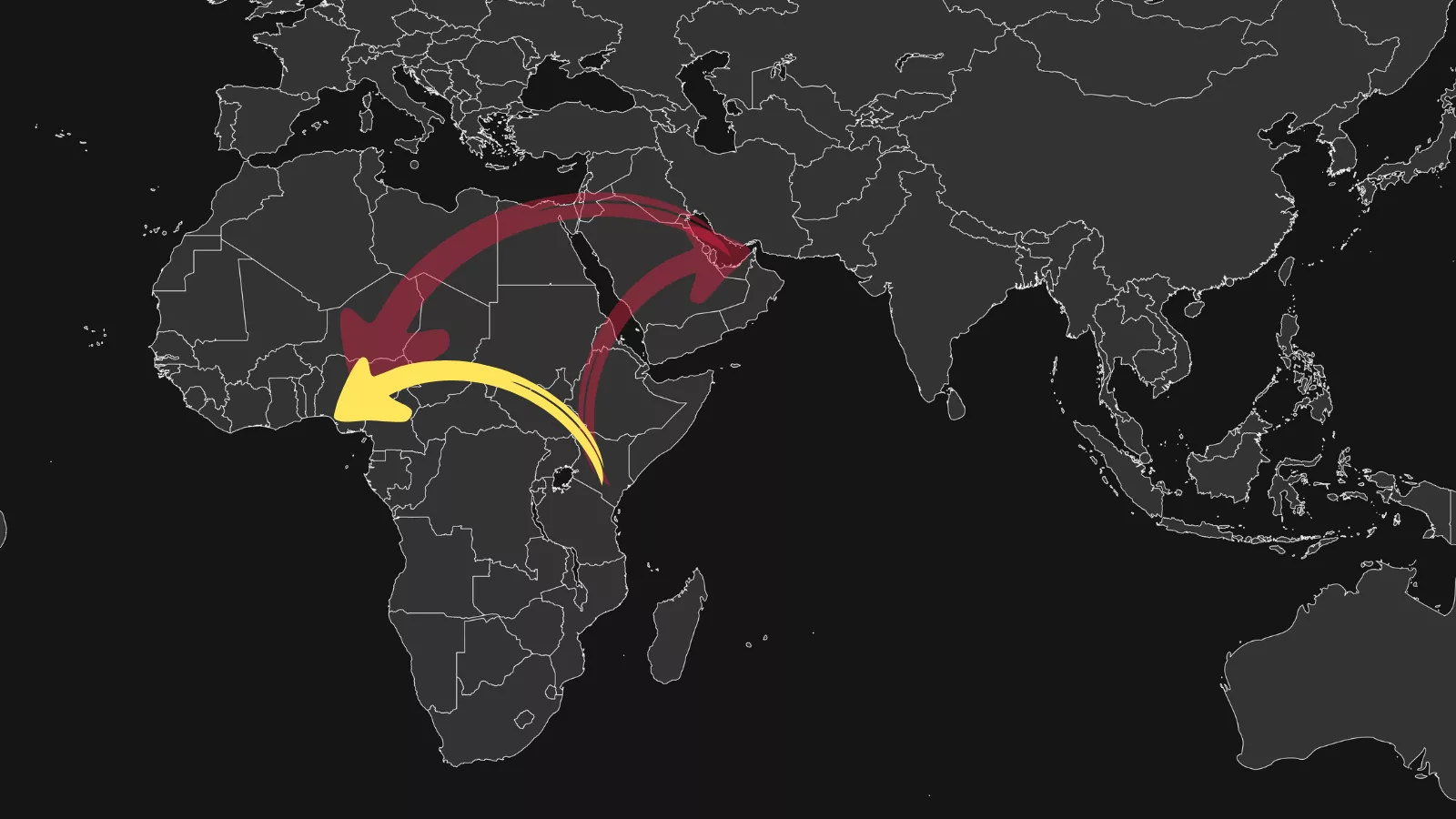
- Indirect Paths: A shipment from Nairobi to a growing market in West Africa might unnecessarily transit through Europe or the Middle East.
- Fragmented Logistics: Underserved markets remain isolated, forcing businesses to rely on expensive, slow, or unreliable ground transport.
The Qambi Approach: Route Precision
We don’t just fly where the maps tell us to; we fly where the data leads us. Our focus is on secondary trade routes—the underserved corridors that connect high-demand markets directly.
- Data-Led Decision Making: We identify unmet demand in sectors like e-commerce, agriculture, and mining, then build direct lanes to serve them.
- Nimble Operations: Using the Boeing 737-300SF allows us to land where larger, legacy jets can’t. We bring global-standard cargo capacity to regional airports that have been overlooked for too long.
- Economic Impact: By bypassing congested hubs, we cut days off delivery times and significantly reduce the risk of spoilage for perishables—the “mangoes” that fuel our continent’s growth.
Transporting Africa’s Potential
Picking routes based on economic logic rather than historical habit is what makes us a purpose-driven carrier. We aren’t just opening cargo routes; we are building opportunities for SMEs, exporters, and logistics firms to scale at the speed of the global market.
The future of African commerce isn’t in the overcrowded hubs of yesterday. It is in the direct, lean, and intentional corridors of tomorrow.
At Qambi, we are already there.