
Expanding Horizons: Why the 737-300SF is the Perfect Fit for Africa’s Emerging Markets
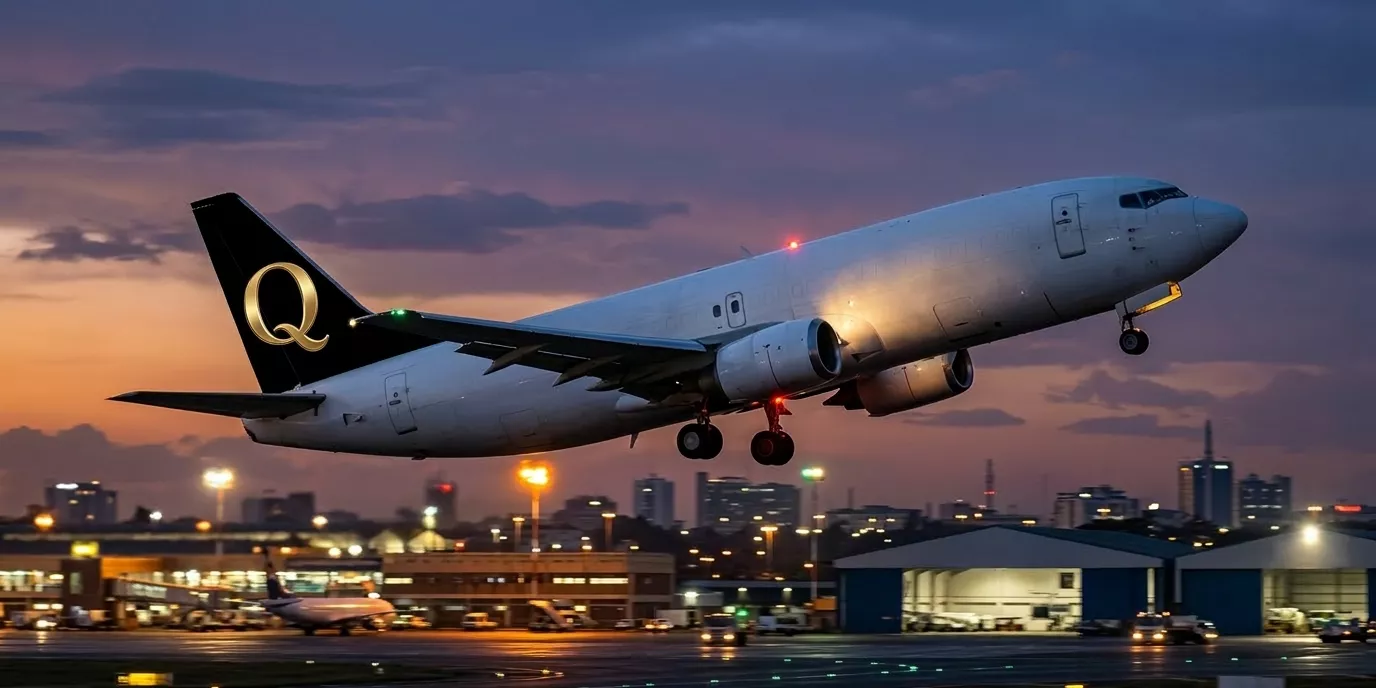
The 737-300SF payload capacity is more than just a technical specification; it is the strategic unlock for regional trade across the continent. In the fast-evolving landscape of African aviation, the challenge has never been a lack of demand, but rather the complexity of infrastructure and the need for versatile equipment. To bridge this gap, Qambi Aviation relies on a fleet that balances high volume with the agility to operate where wide-body freighters cannot.
The Technical Edge: Payload Meets Versatility
When evaluating an efficient air freight aircraft for Africa, the conversation often starts and ends with the Boeing 737 cargo conversion specs. This aircraft provides approximately 19,500 kg (nearly 20 tonnes) of main-deck capacity. For emerging markets, this is the “Goldilocks” zone, large enough to move significant tonnage of e-commerce or agricultural exports, but small enough to maintain high frequency and profitability on regional routes.
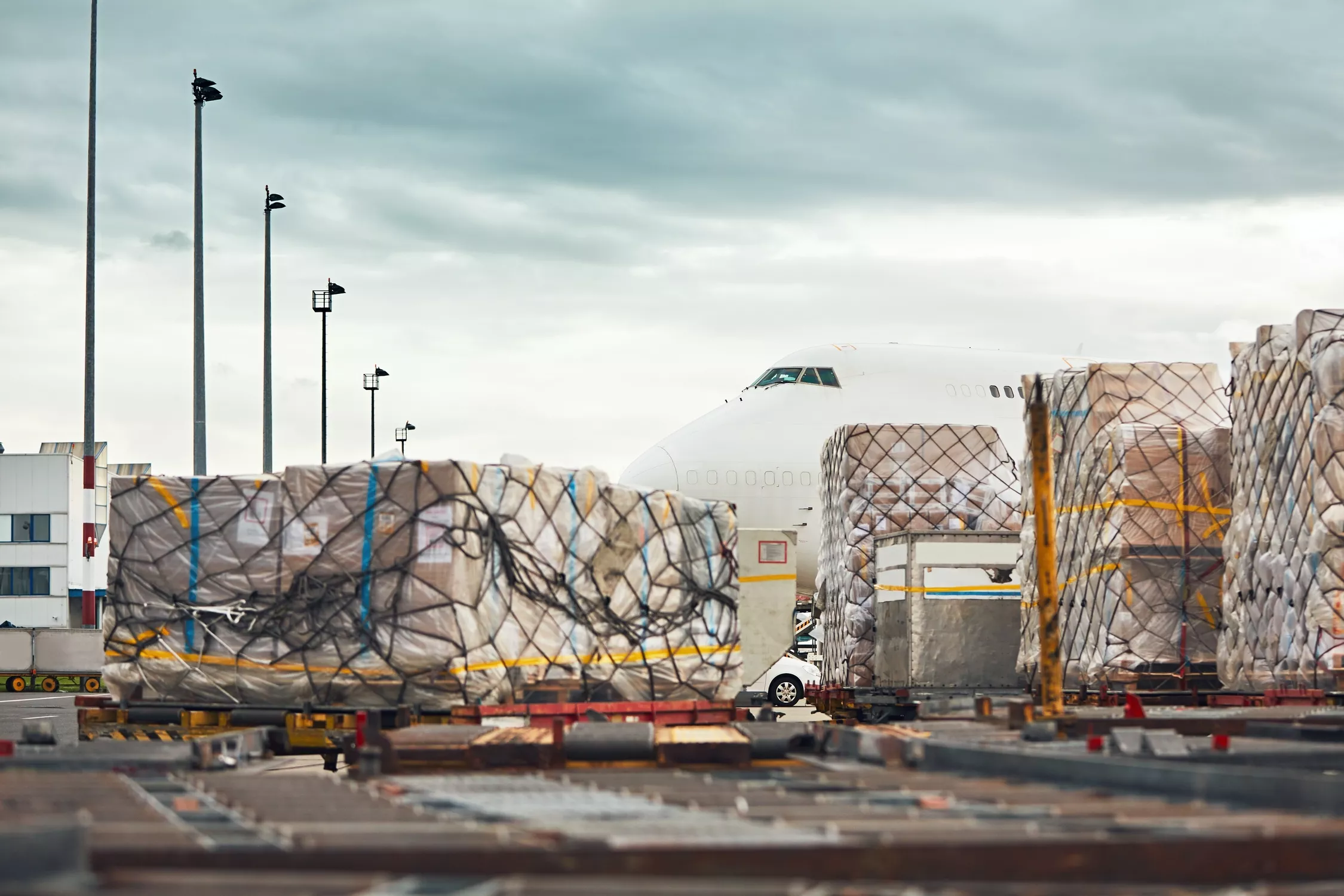
Unlike belly cargo, which is restricted by passenger flight schedules and limited hold dimensions, a dedicated freighter like the 737-300SF offers a large side cargo door. This allows for the seamless transport of palletized goods, outsized mining equipment, and high-volume retail stock that simply won’t fit in the hold of a standard commercial flight.
Bridging the Infrastructure Gap
Many of Africa’s most vital trade hubs feature runways and ground handling facilities that challenge larger aircraft. The 737-300SF payload capacity is optimized for these environments. It is rugged enough to handle secondary airports while providing the reliability necessary to bypass the delays of ground-based transshipment.
For our partners in the perishables sector, time is the most expensive variable. By utilizing a medium-range regional freighter that can land closer to the point of production, we reduce the “first-mile” transit time, preserving the value of Kenyan exports from the moment they leave the farm.
Efficiency in Every Flight Hour
In the current economic climate, efficiency is the only way to scale. The 737-300SF provides a cruise speed and reliability that ensures “Just-in-Time” delivery becomes a reality for SMEs across the region. By focusing on a fleet that maximizes 737-300SF payload capacity without the massive overhead of “heavy-lift” jets, we offer a sustainable, cost-effective bridge for businesses looking to expand into neighboring markets.
The Qambi Commitment
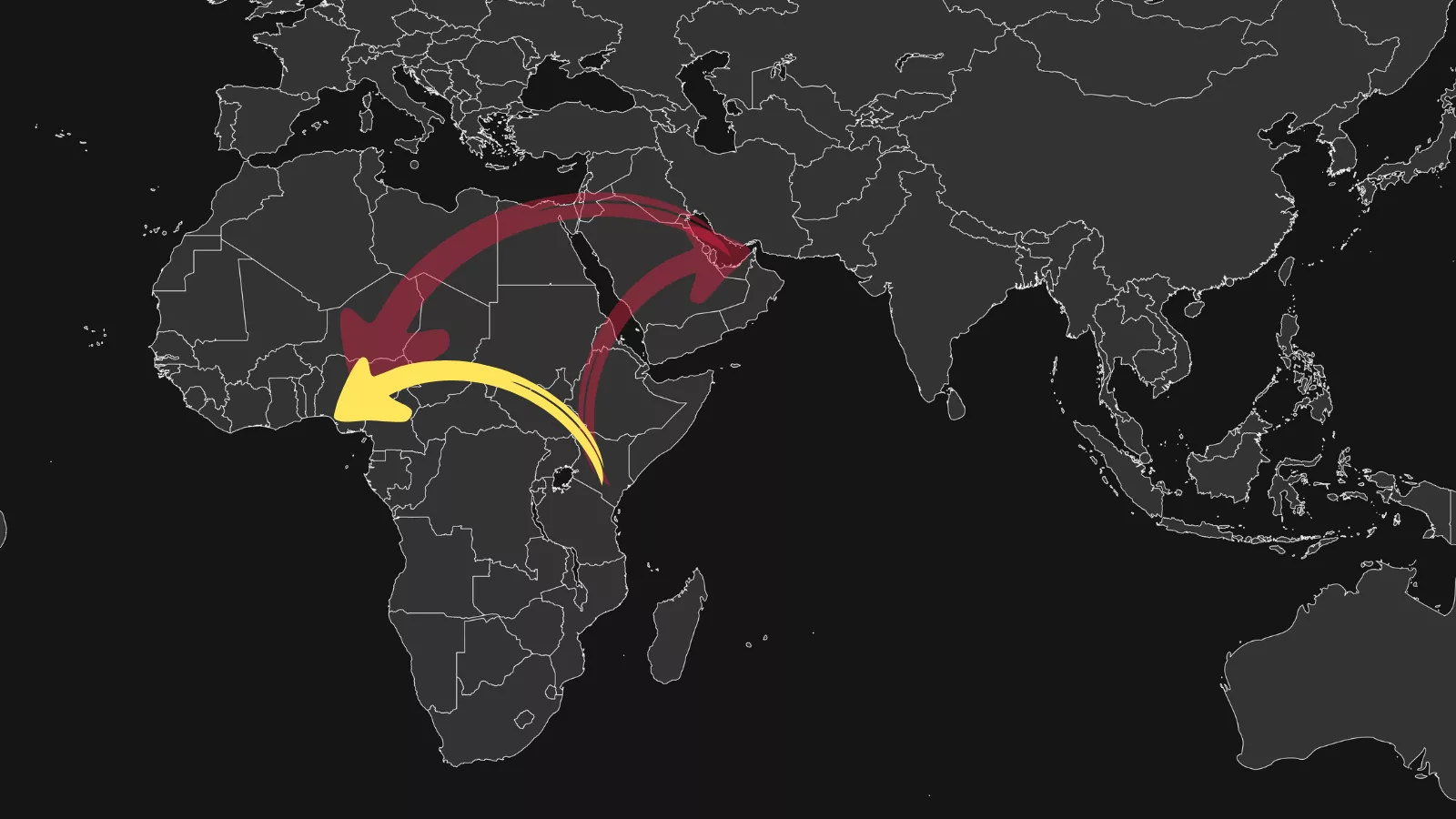
Choosing the right aircraft is about more than just logistics; it is about building a network that supports the future of African commerce. As we continue to refine our flight paths between Nairobi, Juba, Mogadishu, and beyond, our fleet strategy remains focused on one thing: providing the specific technical capabilities and the payload required to move Africa forward.